Location/Region: Mansfield, PA
Industry: Church technology supplier
Apps implemented: Sales, Inventory, Accounting, Invoicing, Purchase, Studio
Software
Replaced: Homegrown ERP system
Company size: 50-100
Hosting type: Odoo online
Kingdom Inc., a U.S.-based church technology supplier, transformed its operations by implementing Odoo as a unified business management platform. By replacing a fragmented internal system, the company now centralizes eCommerce, inventory, accounting, and order processing within a single ERP. In this story, IT Manager Muhammad Saad explains how Odoo enables Kingdom to manage customized products, automate order synchronization across multiple sales channels, and gain full operational visibility across its business.
About the Company
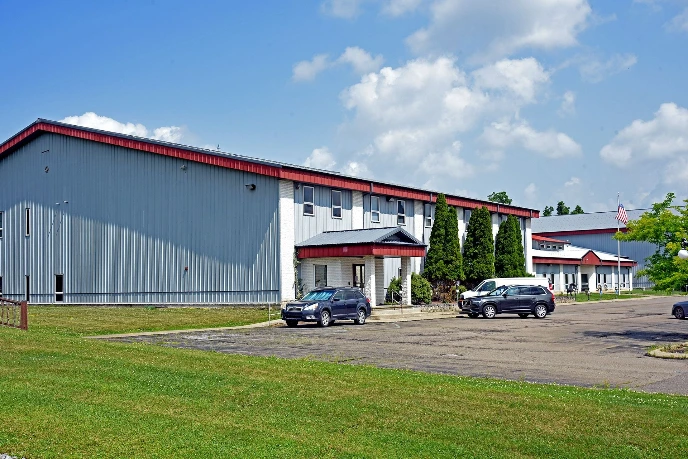
Kingdom Inc. is a twice Inc. 500 company headquartered in Mansfield, Pennsylvania. It has been serving churches, ministries, businesses, and government agencies for over 30 years. The company began by selling cassette tapes and gradually evolved with technological shifts, expanding into computers, digital services, and physical audio and visual products.
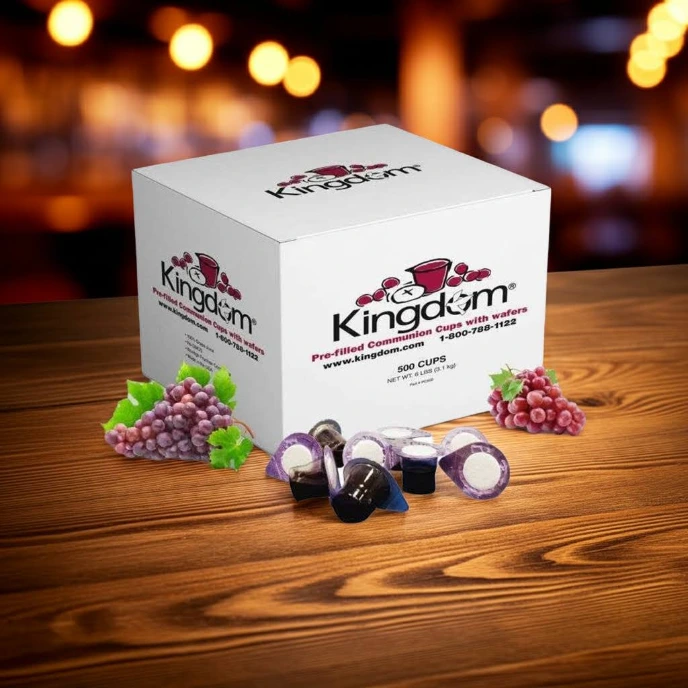
Today, Kingdom operates as a comprehensive technology supplier, offering everything from websites, domains, and hosting services to furniture, audio and video equipment, plus specialized church supplies. One of its key differentiators is the ability to deliver customized products, such as branded lecterns and donation boxes, tailored to each customer’s needs.
“Our core focus has always been to support churches and supply the items that they need. Over time, we’ve grown into other markets and both digital and physical domains, including subscriptions and customized products.”
How Kingdom Managed Operations Before Odo
o
Before implementing Odoo, Kingdom relied on a homegrown ERP system developed internally over many years. While the system initially supported business operations, it lacked long-term scalability and structured maintenance.
As the company expanded, the system became increasingly fragmented. There was no dedicated team to maintain or upgrade it, and processes became disconnected across departments. Routine operations required manual intervention, reducing efficiency and increasing operational complexity.
"We reached a point where things were disjointed and disconnected. Even simple tasks required multiple manual actions, and managing inventory or customer ledgers became a challenge."
Inventory tracking and financial records were particularly affected, making it difficult to maintain accuracy and visibility across the business.
From Disconnected Tools to an Integrated Operation with Odoo

Kingdom implemented Odoo in April 2022, following a recommendation from its development team and implementation partners who supported the initial migration. The objective was to replace disconnected systems with a fully integrated platform capable of supporting both current operations and future growth.
One of the most impactful improvements came from the integration of sales, inventory, and accounting workflows. Kingdom now manages the entire order lifecycle (from quotation to delivery and invoicing) within a single system. This provides full traceability and allows teams to monitor each step in real time, with support from Odoo’s built-in logs and communication tracking.

Through multi-channel order management with Odoo, Kingdom connects its eCommerce platforms (including Amazon, Magento, and WooCommerce) into a centralized system. Orders are automatically synchronized and processed, eliminating manual data entry. Previously, a team of three employees handled order entry manually; this task has now been fully automated.
For personalized products, Kingdom uses automated workflows in Odoo to manage custom order processes. When a customized item is ordered, the system triggers tasks, notifications, and approval steps to ensure design validation and production workflows are completed on time.
"We now have a centralized hub where all our orders are synced and managed. From automation to customization, Odoo is embedded into most of our operations."
Finally, automated invoicing with Odoo has reduced manual workload in accounting processes, saving time and minimizing the need for human intervention.
Future Plans and Next Steps with Odoo
Looking ahead, Kingdom is evolving beyond its traditional eCommerce model into a community-driven platform. The company plans to introduce courses, forums, and interactive spaces where users can connect, learn, and share knowledge.
On the technology side, Kingdom recently upgraded from Odoo version 15 to version 19 and is exploring new capabilities. These include AI-powered tools for reporting and insights, enhanced dashboards for better data visualization, and features such as live chat and VoIP integration to improve customer communication.
The company is also considering Odoo’s native tools for knowledge management, courses, and forums as part of its broader strategy to build a connected user community, all within a single platform. Looking to centralize your operations and scale efficiently? Contact Odoo to discover how an integrated ERP can transform your business.